Objective 1.1: Climate change adaptation, risk prevention
JERICO improves disaster risk prevention and climate adaptation through joint investments, firefighter training, digital tools, and strengthened cross-border cooperation. Special attention is given to electrical fire risks linked to green energy systems, contributing to safer and more resilient communities in the Hungary–Serbia border region.
AcronymJERICO
Project TitleJoint efforts for risk prevention and cross-border coordination in disaster management
Project IDHUSRB/23L/11/003
Total Project budgetEUR 4 738 341.50
EU contribution (IPA)EUR 4 027 590.27
Start Date01 September 2025
End Date31 August 2028
Lead PartnerLocal Government of Mórahalom
Other Partners
P1: Allience of Csongrád-Csanád County Fire Fighters
P2: Municipality of Kanjiža
 Email: grofagi@morahalom.hu

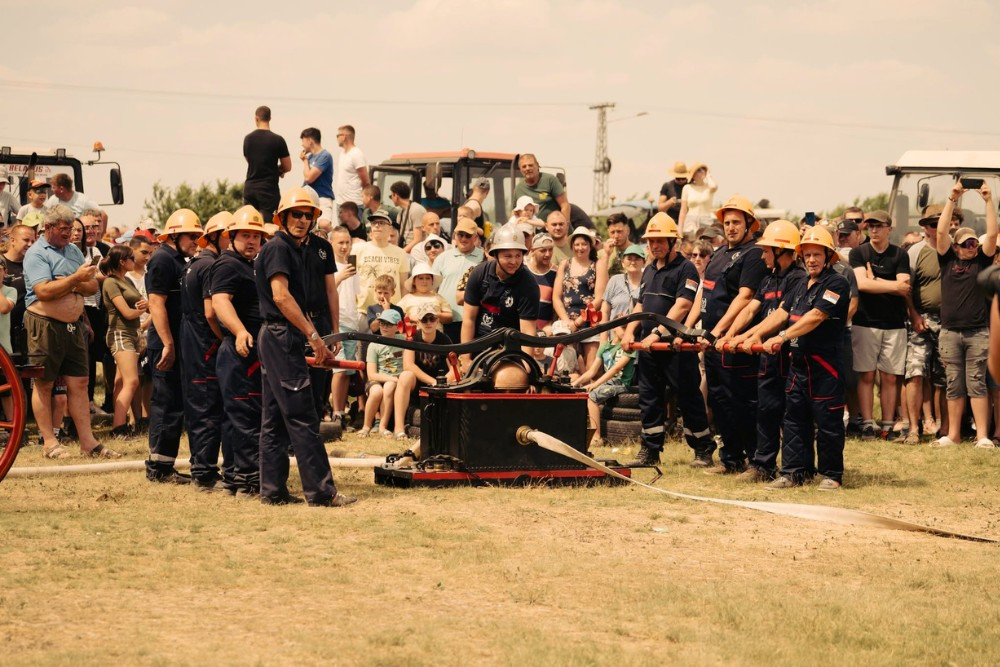
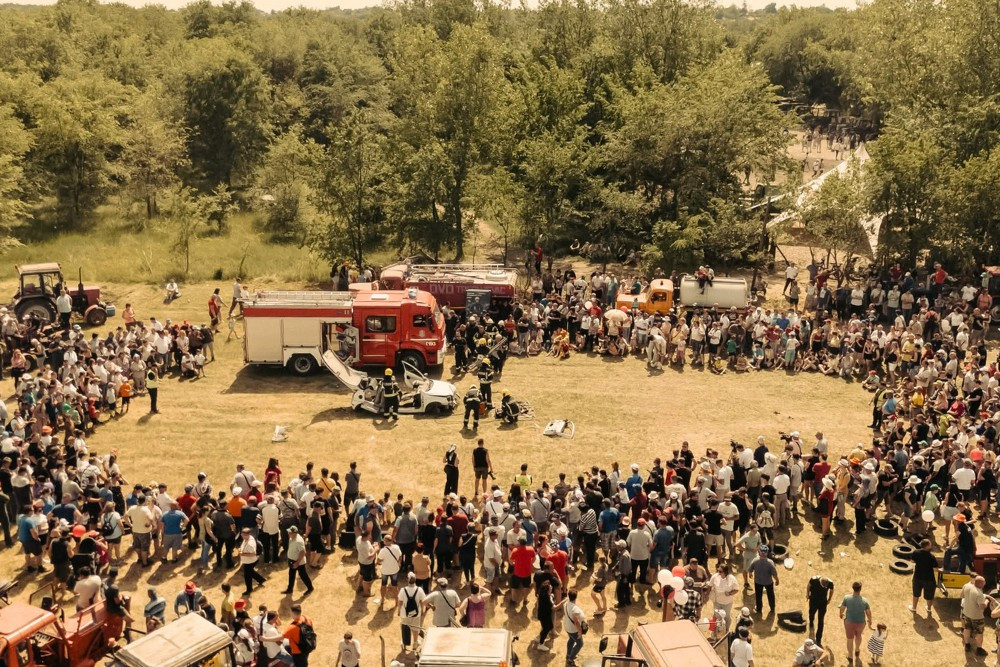
The JERICO project aims to strengthen climate resilience and improve disaster risk prevention in the Hungary–Serbia border region through enhanced cross-border cooperation between voluntary firefighting organizations. The project focuses on increasing preparedness and response capacities for climate-related emergencies, including floods, droughts, wildfires, extreme weather events, and the growing risks associated with electrical fires linked to renewable energy systems and related technologies.
To achieve this, partners will establish a Border Firefighter Centre in Mórahalom and modernize the Fire Station and Training Centre in Horgoš, creating improved conditions for joint operations, training, and emergency response. The project will also introduce a digital mapping application, support the development of recommendations for strengthening bilateral cooperation mechanisms, and develop intervention protocols related to green energy systems.
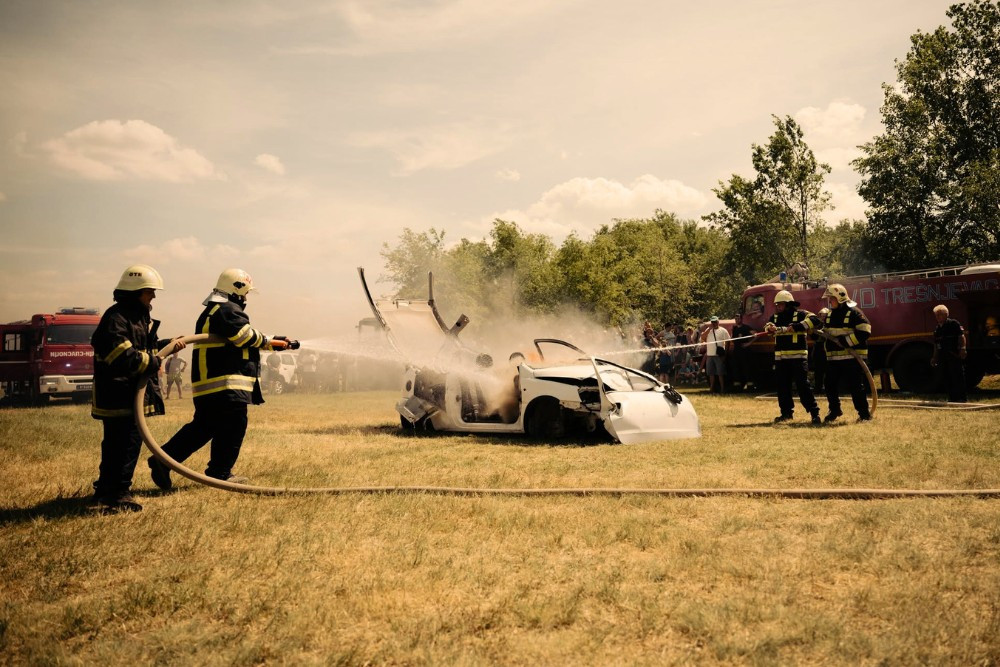
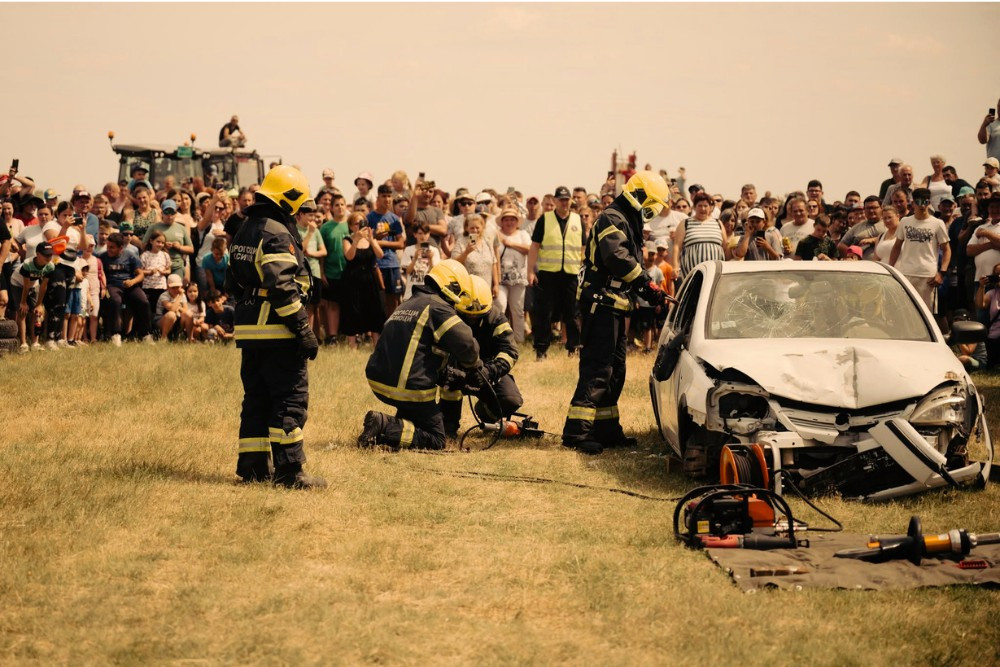
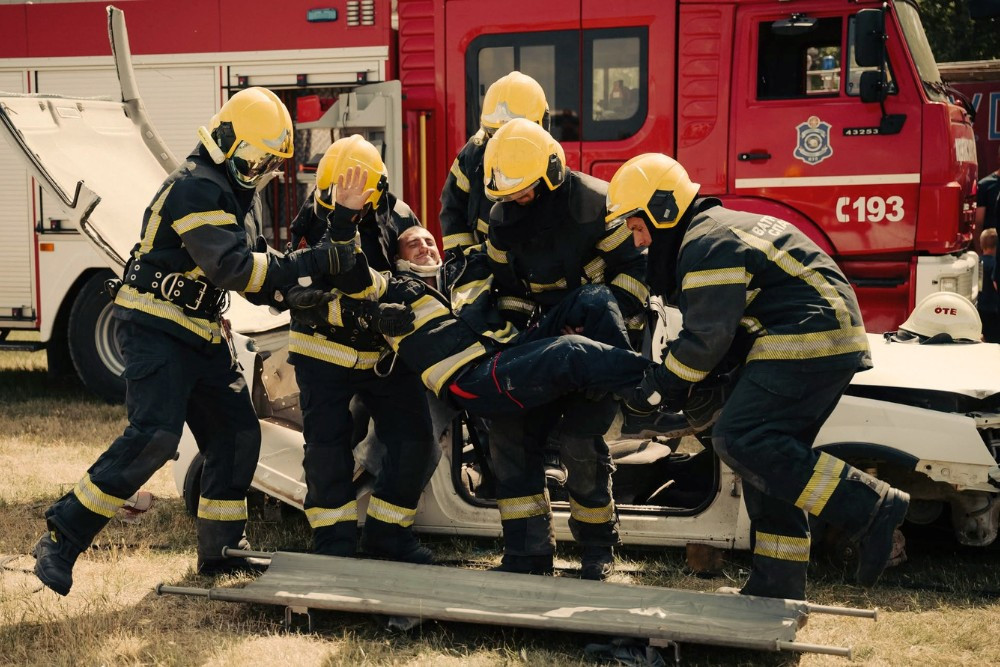
In parallel, training programmes and awareness-raising activities will improve disaster preparedness among firefighters, volunteers, and local communities. By enhancing infrastructure, equipment, operational coordination, and public knowledge, JERICO will contribute to faster and more effective emergency interventions, increased community resilience, and improved safety for more than 670,000 citizens living in the cross-border area.
(Expected) Results: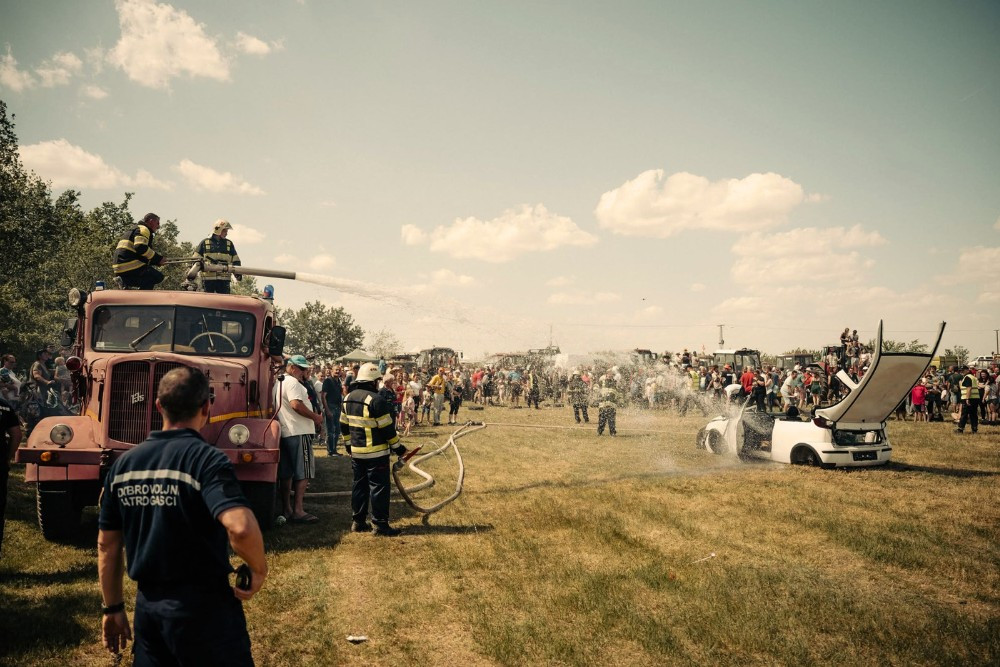






.png)


